Android Security: Protecting Your Device from Phishing and Scams
Step One:
Android Security: Stay Safe From Scams and Phishing on Your Phone.
Step Two:
Hey there, Android users! Ever get that weird text message claiming you've won a free cruise or that urgent email from your "bank" asking you to verify your account? Yeah, we've all been there. In today's digital world, our phones are basically extensions of ourselves – holding everything from our bank details to embarrassing selfies. That makes them prime targets for scammers and phishers lurking in the shadows of the internet.
Android Security: Stay Safe From Scams and Phishing on Your Phone
Think of it like this: Your phone is a delicious-looking pizza, and these scammers are hungry rats trying to get a bite. They're getting sneakier and more sophisticated every day, making it harder to tell what's legit and what's a trap. One minute you're scrolling through Instagram, the next you're unwittingly handing over your credit card details to some shady character in a basement somewhere.
These attacks are more prevalent and damaging than ever. A recent report showed that phishing attacks on mobile devices have increased by over 400% in the last year alone. And the cost? Billions. We're not just talking about losing a few bucks here and there; these scams can lead to identity theft, drained bank accounts, and a whole lot of stress. It's like accidentally stepping in gum – annoying at best, financially crippling at worst.
But don't worry, it's not all doom and gloom! We're not going to let those digital rats ruin our pizza party. This isn’t some boring lecture about cybersecurity. Consider this your ultimate guide to protecting your Android device from the dark arts of phishing and scams. We're going to arm you with the knowledge and tools you need to spot those sneaky tactics, fortify your phone's defenses, and stay one step ahead of the scammers. We’ll break down everything from recognizing fake websites and dodgy apps to setting up two-factor authentication and using anti-malware software.
Because honestly, who has time for that stress? Let's face it; we're all busy people. We want to use our phones without constantly worrying about getting hacked or scammed. We want to enjoy our free cruise (if we actually won one) without the fear of identity theft ruining our vacation.
So, are you ready to become an Android security ninja? Ready to learn how to deflect those phishing attacks like a digital superhero? Keep reading, my friend, because we're about to dive deep into the world of Android security and transform you from a potential victim into a scam-busting pro. Trust me, you'll thank us later... your bank account will, too!
Step Three:
Okay, friends, let's get down to brass tacks. What exactly are we up against? Understanding the enemy is the first step in defending ourselves. Phishing and scams come in many forms, each designed to trick you into doing something you shouldn't.
Understanding the Threat Landscape
Phishing, at its core, is about deception. Scammers impersonate legitimate organizations or people to trick you into revealing sensitive information, like your passwords, credit card numbers, or social security number. They might send you a fake email that looks like it's from your bank, a text message claiming to be from Amazon, or even a phone call pretending to be from the IRS. The goal is always the same: to get you to trust them enough to hand over your personal data.
The Phishing Email Frenzy: Let's start with the classic: phishing emails. These can be incredibly convincing, often using logos and language that mimic legitimate companies. They might claim there's a problem with your account, a pending transaction you need to verify, or even offer you a free gift. The key is to look for red flags: typos, generic greetings ("Dear Customer" instead of your name), and urgent calls to action. Remember, legitimate organizations rarely ask for sensitive information via email. Hover over links before clicking to see where they actually lead. If it looks suspicious, it probably is. For example, instead of going to your bank by clicking the link in the email, open a new tab and type in the URL. The Text Message Tsunami: Smishing, or SMS phishing, is phishing through text messages. These scams are often short and sweet, but just as dangerous. They might claim you've won a prize, that your package is delayed, or that your account has been compromised. Again, be wary of unsolicited messages asking for personal information or urging you to click on links. A recent study showed that smishing attacks have increased by over 70% in the past year, so stay vigilant! Imagine getting a text that says, "Urgent! Your Netflix account has been suspended. Click here to reactivate." Before you panic and click, think about whether you've actually had any issues with your account. Go directly to the Netflix website or app to check. The Vishing Vortex: Vishing, or voice phishing, involves scammers calling you directly, pretending to be from a reputable organization. They might claim to be from your bank, the IRS, or even a tech support company. They often use high-pressure tactics to scare you into complying with their demands. Never give out personal information over the phone to an unsolicited caller. If you're unsure, hang up and call the organization directly using a phone number you find on their official website. It's always better to be safe than sorry. A common example is a call claiming to be from "Microsoft Tech Support" saying your computer has a virus. They'll try to get you to grant them remote access to your device, which allows them to install malware or steal your data. The App Imposter Attack: Malicious apps disguised as legitimate ones are a growing threat. These apps can steal your data, track your location, or even install malware on your device. Only download apps from the Google Play Store and always check the app's reviews and permissions before installing it. Be wary of apps that ask for excessive permissions, like access to your contacts, camera, or microphone when it's not necessary for the app's functionality. Think about a flashlight app asking for access to your contacts – that's a major red flag!
Fortifying Your Android Defenses
Now that we know what we're up against, let's talk about how to protect ourselves. Here are some key steps you can take to fortify your Android device against phishing and scams:
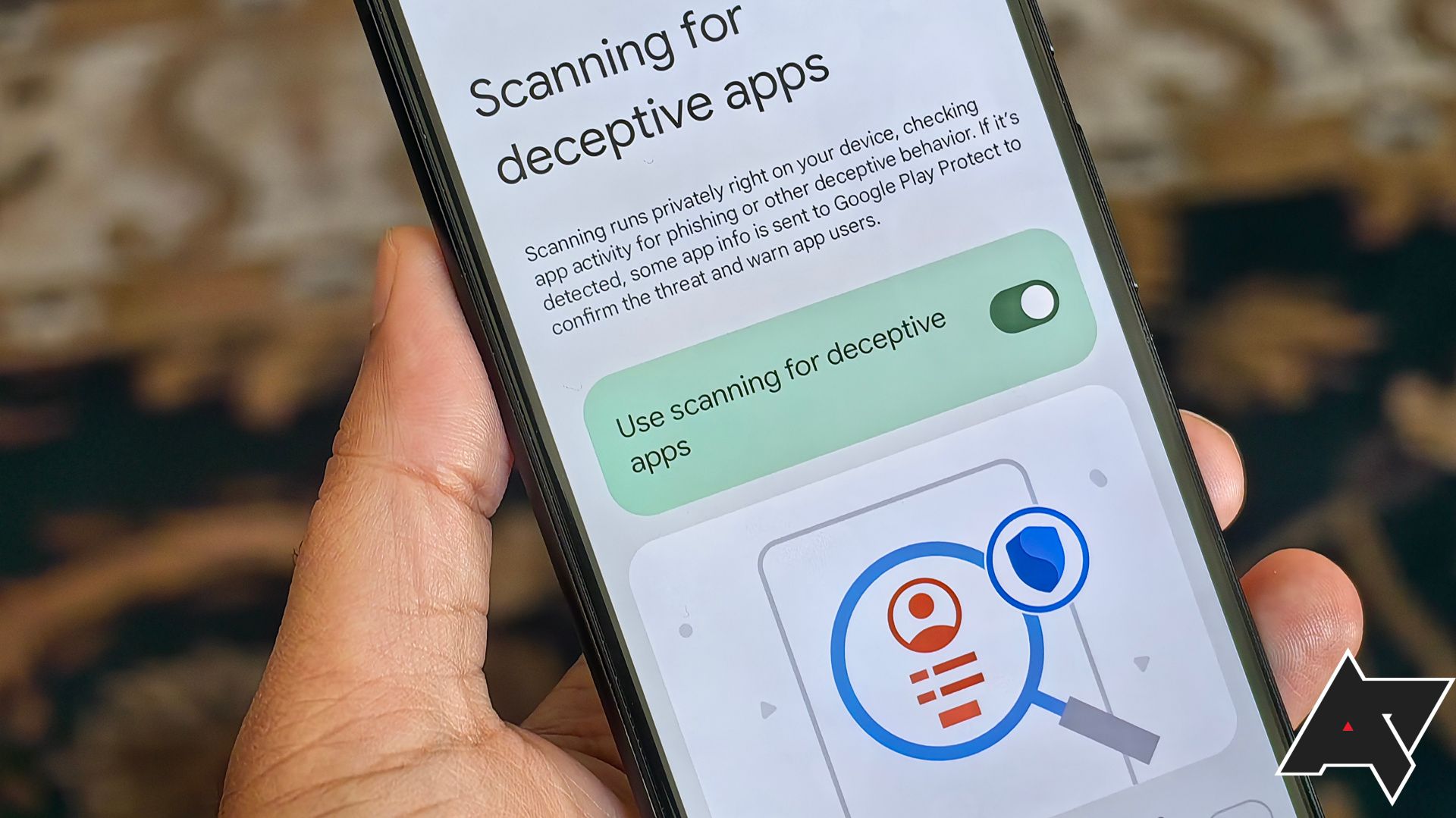
Enable Google Play Protect: Google Play Protect is a built-in security feature that scans your apps for malware and other threats. Make sure it's enabled in your Google Play Store settings. It's like having a digital bodyguard constantly watching over your apps. Google Play Protect scans over 50 billion apps every day! To check if it's enabled, open the Google Play Store app, tap your profile icon, go to Play Protect, and make sure the "Scan apps with Play Protect" option is turned on. Keep Your Software Updated: Software updates often include security patches that fix vulnerabilities that scammers can exploit. Make sure your Android operating system and all your apps are up to date. It's like giving your phone a flu shot to protect it from viruses. Security researchers recently discovered a critical vulnerability in an older version of Android that allowed attackers to remotely execute code on affected devices. Updating your software would have patched this vulnerability. Use Strong, Unique Passwords: This one's a no-brainer, but it's worth repeating. Use strong, unique passwords for all your accounts. Don't reuse the same password for multiple websites or services. A password manager can help you generate and store strong passwords securely. Think of your passwords as the locks on your front door. The stronger the lock, the harder it is for someone to break in. A recent survey found that over 60% of people reuse the same password across multiple accounts, making them vulnerable to password breaches. Enable Two-Factor Authentication (2FA): 2FA adds an extra layer of security to your accounts by requiring you to enter a code from your phone or another device in addition to your password. This makes it much harder for scammers to access your accounts, even if they know your password. It's like having a double lock on your front door. Many popular apps and services, like Gmail, Facebook, and Amazon, offer 2FA. Enable it whenever possible! Be Careful What You Click: This is probably the most important tip of all. Be extremely cautious about clicking on links in emails, text messages, or social media posts, especially if they come from unknown sources. Always hover over links to see where they actually lead before clicking on them. If something looks suspicious, don't click on it! Trust your gut. It's like avoiding that sketchy-looking alleyway at night. If it doesn't feel right, don't go there. A recent study found that over 90% of successful phishing attacks start with a user clicking on a malicious link. Install a Reputable Antivirus App: While Google Play Protect offers some protection, a dedicated antivirus app can provide an extra layer of security. Choose a reputable antivirus app from a trusted vendor and keep it updated. Think of it as hiring a security guard to patrol your property. Popular antivirus apps for Android include Norton, Mc Afee, and Bitdefender. Review App Permissions: Pay close attention to the permissions that apps request when you install them. Be wary of apps that ask for excessive permissions that aren't necessary for their functionality. Revoke permissions from apps that you no longer use or that seem suspicious. It's like checking who has a key to your house. Only give keys to people you trust. To review app permissions on your Android device, go to Settings > Apps > [App Name] > Permissions. Use a VPN on Public Wi-Fi: Public Wi-Fi networks are often unsecured, making them vulnerable to eavesdropping. When using public Wi-Fi, use a virtual private network (VPN) to encrypt your internet traffic and protect your data from hackers. It's like putting a shield around your data while you're using public Wi-Fi. Many VPN apps are available for Android, including Nord VPN, Express VPN, and Surfshark. Regularly Back Up Your Data: In the event that your device is compromised, regularly backing up your data can help you recover your files and avoid losing important information. Back up your data to the cloud or to an external hard drive. It's like having a safety net in case you fall. You can use Google Drive, Dropbox, or other cloud storage services to back up your data. Educate Yourself and Others: Stay informed about the latest phishing and scam tactics. Share this knowledge with your friends and family so they can protect themselves as well. Knowledge is power! By spreading awareness, we can make it harder for scammers to succeed. The more people who know how to spot a scam, the less likely they are to fall for it.
Real-World Examples and Case Studies
Let's look at some real-world examples of how these scams play out.
The Fake Amazon Email: Imagine you receive an email that looks like it's from Amazon, claiming that there's a problem with your order. The email urges you to click on a link to verify your payment information. However, the link leads to a fake Amazon website that looks almost identical to the real one. If you enter your credit card details on this fake website, the scammers will steal your information. This is a classic example of a phishing email. The Package Delivery Scam: You receive a text message claiming that your package is delayed and that you need to pay a small fee to have it delivered. The text message includes a link to a fake website that asks for your credit card details. This is a common smishing scam that targets people who are expecting a package. The Tech Support Scam:You receive a phone call from someone claiming to be from "Microsoft Tech Support." They tell you that your computer has a virus and that you need to pay them to fix it. They might try to get you to grant them remote access to your device, which allows them to install malware or steal your data. This is a vishing scam that targets people who are not tech-savvy.
The Future of Android Security
The fight against phishing and scams is an ongoing battle. As technology evolves, so do the tactics of scammers. Here are some future trends to watch out for:
AI-Powered Phishing: Scammers are increasingly using artificial intelligence (AI) to create more sophisticated and convincing phishing attacks. AI can be used to generate realistic-looking emails, create fake websites, and even impersonate people's voices. Deepfake Technology: Deepfake technology can be used to create realistic fake videos and audio recordings. Scammers could use deepfakes to impersonate someone you know and trick you into sending them money or revealing sensitive information. Cryptocurrency Scams:Cryptocurrency scams are becoming increasingly common. Scammers might try to trick you into investing in fake cryptocurrencies or sending them your cryptocurrency in exchange for a promised return that never materializes.
To stay ahead of these threats, it's important to stay informed about the latest security trends and to continuously update your security practices. Android security is not a one-time fix; it's an ongoing process.
Step Four:
Alright, let's tackle some common questions you might have about Android security and staying safe from scams.
Question: I got an email from my bank asking me to verify my account details. Is it safe to click the link?
Answer: Absolutely not! Never click on links in emails that ask for your personal information, especially from banks or other financial institutions. Instead, open a new browser window and go directly to your bank's website. Log in to your account and check for any alerts or messages. If you're still unsure, call your bank directly using a phone number you find on their official website. Question: I downloaded an app from the Google Play Store, and it's asking for a lot of permissions that don't seem necessary. Should I be worried?
Answer: Yes, you should be cautious. Review the permissions carefully and consider whether they are truly necessary for the app's functionality. If an app is asking for access to your contacts, camera, or microphone when it doesn't seem to need it, it's a red flag. You can revoke permissions from apps in your Android settings. If you're still concerned, consider uninstalling the app altogether. Question: I received a text message claiming I won a free gift card. Is this legit?
Answer: Almost certainly not. These types of messages are usually scams designed to trick you into clicking on a malicious link or providing your personal information. Never click on links in unsolicited text messages, and be wary of any offer that seems too good to be true. Question: I think I might have fallen for a phishing scam. What should I do?
Answer: Don't panic! First, change your passwords for all your important accounts, including your email, bank, and social media accounts. Next, contact your bank or credit card company to report the incident and monitor your accounts for any unauthorized activity. You may also want to file a report with the Federal Trade Commission (FTC). Finally, learn from your mistake and take steps to protect yourself from future scams.
Alright friends, we've covered a lot of ground in this comprehensive guide to Android security. We started by understanding the ever-evolving threat landscape of phishing and scams, then we armed ourselves with practical steps to fortify our Android devices. We learned about Google Play Protect, the importance of strong passwords and two-factor authentication, and the critical need to be cautious about what we click. We even explored real-world examples and looked ahead to the future of Android security, where AI and deepfake technology could pose new challenges.
The key takeaway here is that Android security is not a passive activity; it's an ongoing process that requires vigilance and proactive measures. It's about staying informed, being skeptical, and taking the necessary steps to protect your personal information.
Now, here's your call to action: take what you've learned today and put it into practice! Review your app permissions, enable two-factor authentication on your important accounts, and educate your friends and family about the dangers of phishing and scams. By working together, we can create a safer online environment for everyone.
So go forth, my friends, and be Android security champions! Remember, staying safe online is a marathon, not a sprint. But with the right knowledge and tools, you can protect yourself from the ever-present threat of phishing and scams and use your Android device with confidence and peace of mind. Are you ready to take control of your digital security?

Post a Comment for "Android Security: Protecting Your Device from Phishing and Scams"
Post a Comment