Blogspot Blog SEO: Keyword Research and Content Optimization
Blogspot Blog SEO: Unlock Traffic Goldmine with Keyword Research and Content Optimization.
Hey there, blogosphere adventurers! Ever feel like you're shouting into the void with your Blogspot blog? You pour your heart and soul into crafting awesome content, but it's like crickets are your only audience. You're not alone! We've all been there, staring at those pathetic page view numbers, wondering if our genius is just too ahead of its time (or, you know, maybe nobody can find us!). It's like throwing the best party ever, but forgetting to send out the invites. Imagine baking the most delicious cake in the world, but keeping it locked away in a vault. What's the point if nobody gets to taste it?
The problem, my friends, often isn't the quality of your writing (though, let's be honest, a little editing never hurts!), but rather the fact that nobody canfindyour amazing blog. It's hidden somewhere in the vast, digital wilderness that is the internet. Think of Google as a gigantic librarian. People go to the librarian and ask for specific books. If your blog isn't properly cataloged (i.e., optimized for SEO), it's like your book is sitting on a shelf with no label, lost amongst millions of others.
The solution? Mastering the art of Blogspot Blog SEO, specifically keyword research and content optimization. Think of it as giving your blog a super-powered GPS that guides the right people straight to your doorstep. It's about understanding what your audience is searching for and then crafting your content in a way that Google (and other search engines) understand and reward. Imagine being fluent in Google's language!
We're not talking about some shady, black-hat tactics here. We're talking about legitimate, tried-and-true strategies that will help you create better content and attract a larger, more engaged audience. Forget about tricking the system; it's aboutworkingwith the system to achieve mutual success.
Think of keyword research as your treasure map. It shows you where the buried gold (aka, targeted traffic) lies. Content optimization is then the process of carefully extracting that gold and presenting it in a shiny, appealing way. It's the art of turning words into web traffic. It's like being a digital alchemist, turning ordinary content into golden opportunities.
Why is this important NOW? Well, the online landscape is constantly evolving. What worked last year might not work this year. Google's algorithms are constantly being updated, and what used to be a simple game of keyword stuffing has become a sophisticated dance of relevance, authority, and user experience. It’s like trying to win a dance competition with outdated moves. You'll be left in the dust.
Let's face it, if you're not actively working on your Blogspot Blog SEO, you're essentially leaving money on the table. You're missing out on opportunities to connect with your target audience, build your brand, and potentially even generate revenue. It’s like opening a store but forgetting to put up a sign. People might stumble upon it, but most will just pass by.
But fear not, intrepid bloggers! This isn't some impenetrable fortress of technical jargon. It's a journey, a process of continuous learning and improvement. And we're here to guide you every step of the way. Ready to unlock the secrets of Blogspot Blog SEO and transform your blog from a hidden gem into a traffic-generating machine? Let's dive in and discover how to make your blog the star it was always meant to be! What if you could double your Blogspot traffic in the next 30 days? Keep reading to find out how!
Blogspot Blog SEO: Keyword Research and Content Optimization – A Deep Dive
Let's get real. We're not just talking about slapping a few keywords into your blog posts and hoping for the best. That's so 2005! We're talking about a strategic, data-driven approach to SEO that will help you attract the right audience and build a thriving Blogspot blog. This isn't just for tech wizards; it’s for anyone who wants to be heard in the digital noise.
Keyword Research: Finding Your Audience's Language
Think of keywords as the bridge between what you write and what your audience searches for. They're the terms and phrases that people use to find information online. Your goal is to identify the keywords that are most relevant to your blog and then incorporate them naturally into your content. It’s about speaking the language your audience understands.
• Understand Your Niche: First, you need to have a crystal-clear understanding of your blog's niche. What are you passionate about? What problems are you solving? What unique perspective do you offer? For example, if you blog about sustainable living, your niche might be "eco-friendly home decor" or "zero-waste travel." It's like knowing your restaurant's specialty before creating the menu.
• Brainstorming Session: Grab a pen and paper (or your favorite digital note-taking app) and start brainstorming. Think about all the possible terms and phrases that people might use to find your blog. Don't be afraid to get creative! Imagine you're your ideal reader; what would you type into Google? This is where you let your imagination run wild!
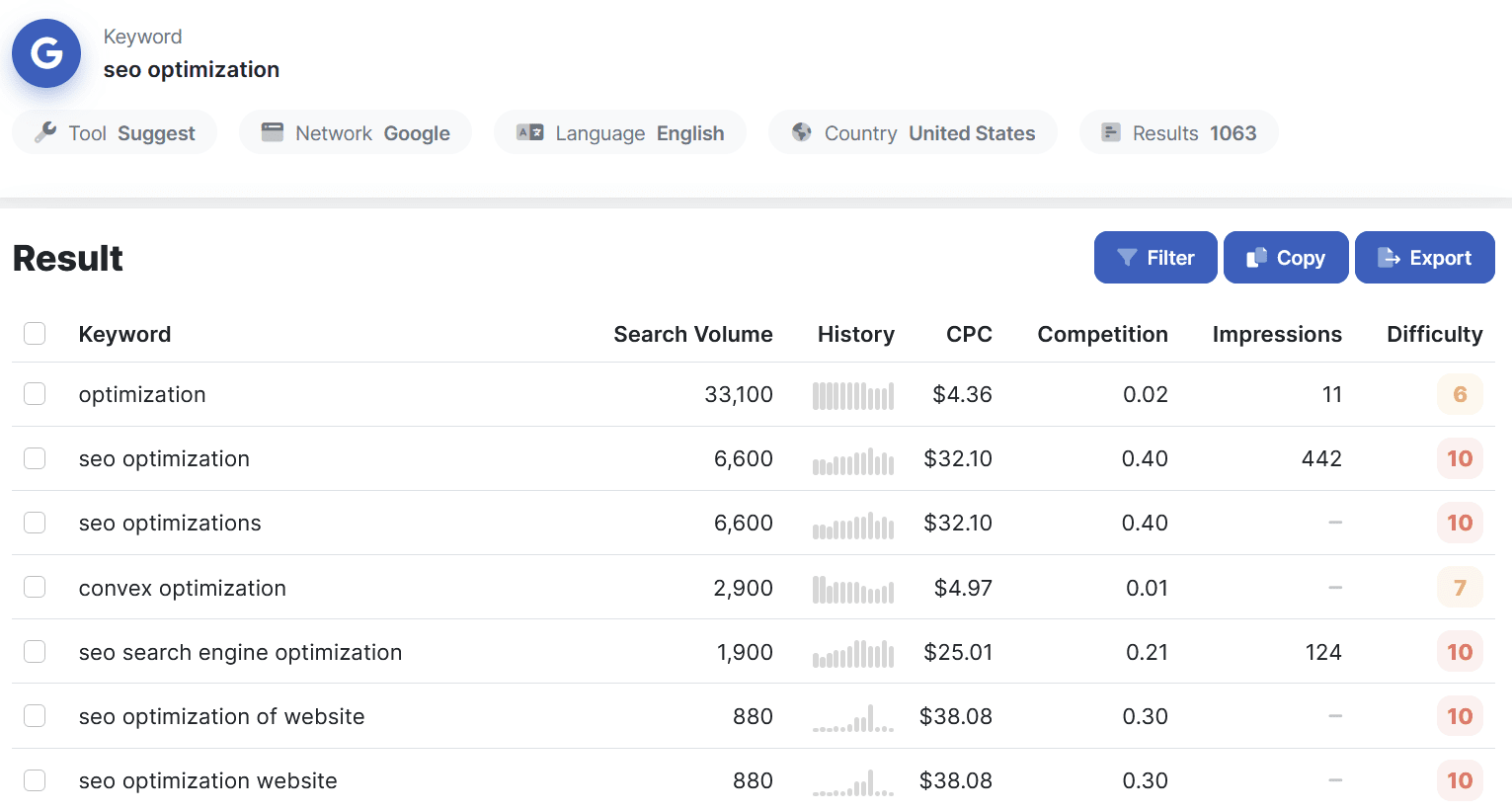
• Keyword Research Tools: This is where the magic happens. Keyword research tools help you validate your brainstorming ideas and discover even more potential keywords. Some popular tools include:
- Google Keyword Planner: A free tool from Google that provides valuable insights into search volume and competition. It's like having Google's secret playbook.
- SEMrush: A powerful (but paid) tool that offers a wide range of SEO features, including keyword research, competitor analysis, and site auditing. It’s like having a super-powered SEO spyglass.
- Ahrefs: Another popular paid tool that provides detailed data on backlinks, keywords, and website traffic. It's like having a full-blown SEO laboratory at your fingertips.
- Ubersuggest: A freemium tool created by Neil Patel that offers a user-friendly interface and helpful keyword suggestions. It’s like having a friendly SEO coach guiding you.
• Analyze the Data: Once you've gathered a list of potential keywords, it's time to analyze the data. Look for keywords with:
- High Search Volume: The more people searching for a keyword, the more traffic potential it has.
- Low Competition: The less competition for a keyword, the easier it will be to rank for it.
- Relevance: The more relevant a keyword is to your blog, the more likely you are to attract the right audience.
• Long-Tail Keywords: Don't overlook the power of long-tail keywords. These are longer, more specific phrases that people use when they're further along in the buying process. For example, instead of "running shoes," a long-tail keyword might be "best running shoes for flat feet on pavement." These keywords may have lower search volume, but they often convert at a higher rate because they're more targeted. It’s like casting a narrow net to catch the exact fish you want.
Content Optimization: Crafting Content That Ranks
Finding the right keywords is only half the battle. You also need to optimize your content to make it more appealing to both search engines and your audience. This is where you transform your raw ideas into SEO-friendly masterpieces.
• Keyword Placement: Strategically incorporate your target keywords into your content, but don't overdo it! Keyword stuffing is a big no-no and can actually hurt your rankings. Aim for natural language and focus on providing valuable information to your readers. It’s like seasoning a dish; a little adds flavor, but too much ruins everything.
- Title Tags: Your title tag is one of the most important ranking factors. Include your target keyword near the beginning of the title tag. Keep it concise and compelling. It’s like the headline of your blog post; it needs to grab attention and tell people what it's about.
- Meta Descriptions: While meta descriptions don't directly impact rankings, they can influence click-through rates. Write a compelling meta description that accurately summarizes your blog post and encourages people to click. It's like the movie trailer for your blog post; it needs to entice people to watch (or in this case, read).
- Headings (H1, H2, H3): Use headings to break up your content and make it easier to read. Incorporate your target keywords into your headings where appropriate. It's like adding signposts to your blog post; they help people navigate and understand the key points.
- Body Naturally incorporate your target keywords throughout your body text. Focus on providing valuable information and answering your audience's questions. It’s about creating content that's both informative and engaging.
- Image Alt Don't forget to optimize your images! Use descriptive alt text that includes your target keywords. This helps search engines understand what your images are about and can improve your overall SEO. It's like adding captions to your photos; they provide context and make them more accessible.
• High-Quality Content: This is the foundation of any successful SEO strategy. Create content that is informative, engaging, and valuable to your audience. Focus on solving their problems, answering their questions, and providing them with unique insights. It's about creating content that people actually want to read and share.
- Originality: Don't just regurgitate information that's already available online. Offer your own unique perspective and insights. It’s about finding your voice and sharing your unique story.
- Readability: Make your content easy to read and understand. Use short paragraphs, bullet points, and visuals to break up the text. It's about creating content that's accessible to everyone.
- Accuracy: Double-check your facts and ensure that your information is accurate and up-to-date. It’s about building trust and credibility with your audience.
- Engagement: Encourage interaction by asking questions, inviting comments, and promoting your content on social media. It's about building a community around your blog.
• Internal Linking: Link to other relevant blog posts on your website. This helps search engines understand the structure of your site and can improve your overall SEO. It’s like creating a web of interconnected content that keeps people engaged.
• Mobile Optimization: In today's mobile-first world, it's crucial to ensure that your blog is mobile-friendly. Use a responsive design that adapts to different screen sizes. It’s about providing a seamless user experience on all devices.
Beyond the Basics: Advanced SEO Strategies for Blogspot

Ready to take your Blogspot SEO to the next level? Here are a few advanced strategies to consider:
• Guest Blogging: Reach out to other bloggers in your niche and offer to write guest posts for their websites. This can help you build backlinks, increase your brand awareness, and drive traffic to your blog. It’s like forming strategic alliances to expand your reach.
• Link Building: Focus on building high-quality backlinks from other reputable websites. This is one of the most important ranking factors. There are many ways to build backlinks, including guest blogging, creating valuable content, and participating in online communities. It’s like getting endorsements from other influential players in your industry.
• Schema Markup: Implement schema markup to provide search engines with more information about your content. This can help you improve your click-through rates and attract more traffic. It’s like adding labels to your content that tell search engines exactly what it's about.
• Site Speed Optimization: Optimize your website's speed to improve user experience and SEO. Use a caching plugin, optimize your images, and minimize your code. It’s about making your blog as fast and efficient as possible.
Real-World Examples and Case Studies
Let's look at some real-world examples of how Blogspot Blog SEO can make a difference:
• Case Study 1: A food blogger increased their organic traffic by 50% after implementing a keyword research strategy and optimizing their content for relevant keywords. They focused on long-tail keywords related to specific recipes and cooking techniques.
• Case Study 2: A travel blogger doubled their website traffic after building high-quality backlinks from other travel blogs and websites. They focused on creating valuable content that other websites would want to link to.
• Real-World Example: A personal finance blogger saw a significant increase in leads after implementing schema markup on their website. They used schema markup to provide search engines with more information about their articles and resources.
Future Trends and Predictions
The world of SEO is constantly evolving. Here are a few trends and predictions to keep in mind:
• Voice Search: With the rise of voice assistants like Siri and Alexa, voice search is becoming increasingly important. Optimize your content for conversational keywords and answer common questions that people might ask.
• Mobile-First Indexing: Google is now using mobile-first indexing, which means that they're primarily using the mobile version of your website to rank your content. Ensure that your website is mobile-friendly and provides a seamless user experience on all devices.
• Artificial Intelligence (AI): AI is playing an increasingly important role in SEO. Google is using AI to understand user intent and provide more relevant search results. Focus on creating high-quality content that satisfies user intent and provides valuable information.
Expert Perspectives
Here are some quotes from leading SEO experts:
• "SEO is not about gaming the system; it's about learning how to play by the rules." – Rand Fishkin
• "The best way to sell something: don't sell anything. Earn the awareness, respect, & trust of those who might buy." – Rand Fishkin
• "Content is king, but marketing is queen and runs the household." – Gary Vaynerchuk
FAQ - Blogspot Blog SEO
Here are some frequently asked questions about Blogspot Blog SEO:
• Question 1: How long does it take to see results from SEO?
- Answer: SEO is a long-term strategy. It can take several months to see significant results. However, if you consistently create high-quality content and optimize your website for relevant keywords, you will eventually see an increase in traffic and rankings.
• Question 2: How much does SEO cost?
- Answer: The cost of SEO can vary depending on your needs and budget. You can do some SEO yourself for free, but if you want to see faster results, you may need to hire an SEO expert or agency.
• Question 3: What are the most important ranking factors?
- Answer: Some of the most important ranking factors include high-quality content, backlinks, keyword relevance, site speed, and mobile-friendliness.
• Question 4: How often should I update my content?
- Answer: It's a good idea to update your content regularly to keep it fresh and relevant. This can help you improve your rankings and attract more traffic.
We've covered a lot, haven't we? From understanding the fundamentals of keyword research to diving into advanced content optimization strategies, you now have a comprehensive toolkit to transform your Blogspot blog into a traffic magnet.
The key takeaway here is that Blogspot Blog SEO isn't a one-time fix; it's an ongoing process. It's about consistently creating valuable content, staying up-to-date with the latest trends, and adapting your strategy as needed. Remember, it’s a marathon, not a sprint.
So, what's the next step? It's time to put this knowledge into action! Start by identifying a few target keywords for your blog and then optimize your existing content around those keywords. Don't be afraid to experiment and track your results. Use Google Analytics to monitor your traffic and rankings and make adjustments as needed.
But don't just take our word for it. Go out there, try these strategies, and see the results for yourself. The internet is a vast playground of opportunity, and your Blogspot blog deserves to shine.
Now, go forth and conquer the search engines! Remember, the world is waiting to hear what you have to say. What are you waiting for? Let’s unlock that traffic goldmine together! Are you ready to make your Blogspot blog a resounding success?

Post a Comment for "Blogspot Blog SEO: Keyword Research and Content Optimization"
Post a Comment