Blogspot Blog Monetization: Choosing the Right Advertising Platforms
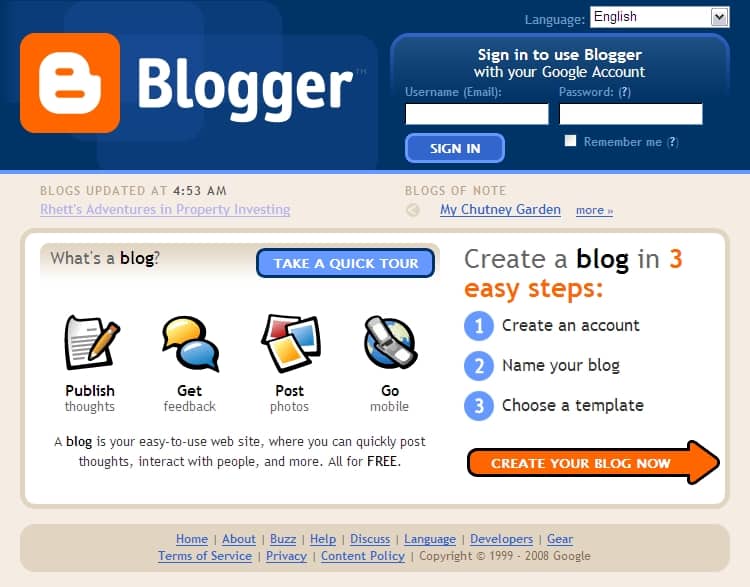
Blogspot Blog Monetization: A Beginner's Guide to Advertising Platforms
Hey there, fellow bloggers! Ever feel like your Blogspot blog is a beautiful, undiscovered island filled with amazing content, but nobody's quite found the treasure map yet? You pour your heart and soul into creating posts, sharing your passions, and building a community, but seeing that sweet, sweet ad revenue? Well, that's a different story. We've all been there, staring at our measly earnings, wondering if we should just give up and become professional cat herders (no offense to cat herders, that's a legitimate skill!).
The Blogspot Blues: A Common Struggle
Let's be honest, monetizing a Blogspot blog can feel like trying to herd cats… uphill… in the rain. You're putting in the work, but the rewards seem to be lagging behind. Why? Well, the internet is a vast and noisy place, and simply having great content isn't always enough. You need to strategically place your content in front of the right audience, and more importantly, you need to choose the right advertising platforms to make your efforts worthwhile.
Think of it like this: you've baked the most amazing chocolate chip cookies in the world. You could leave them on your front porch and hope someone wanders by and buys them. Or, you could set up a booth at the local farmer's market, where people are already looking for delicious treats. The farmer's market is your advertising platform, and choosing the right one is crucial to selling those cookies (and earning that sweet ad revenue!).
Why Choosing the Right Platform Matters
Choosing the right advertising platform for your Blogspot blog isn't just about throwing ads on your site and hoping for the best. It's about understanding your audience, the type of content you create, and which platforms align best with both. Using the wrong platform could lead to low earnings, irrelevant ads that annoy your readers, and a general feeling of frustration. Using the right platform, however, can unlock your blog's earning potential and transform it from a hobby into a profitable venture. Imagine finally being able to fund that fancy coffee habit (or, you know, pay your bills!).
In 2023, Statista reported that digital advertising spending worldwide reached over 626 billion U.S. dollars. That's a LOT of cookies (and potential revenue) floating around. The key is to grab your slice of that pie. But how do you navigate the complex world of online advertising and find the perfect fit for your Blogspot blog? That's where this guide comes in.
So, buckle up, my friends! We're about to dive deep into the world of Blogspot monetization and explore the best advertising platforms for turning your passion into profit. We'll cover everything from the basics of ad networks to advanced strategies for maximizing your earnings. Are you ready to finally crack the code and turn your Blogspot blog into a money-making machine? Let's get started!
Understanding Your Blog's Niche and Audience
Before even thinking about ad platforms, let's talk shop about what your blog is all about. Knowing your niche and who you're writing for is absolutely KEY. It's like trying to bake a cake without knowing whether your friends prefer chocolate or vanilla – you might end up with something delicious, but it might not be what they actually want.
•Define Your Niche:What specific topics do you cover? Are you a fashion blogger, a food enthusiast, a tech guru, or something else entirely? The more specific you can be, the better. For example, instead of just "food blog," maybe you're a "vegan baking blog" or a "budget-friendly weeknight dinners blog."
•Know Your Audience:Who are you writing for? What are their interests, demographics, and online behaviors? Are they young adults interested in the latest trends, or are they middle-aged professionals looking for expert advice? You can use tools like Google Analytics (which is totally free, by the way!) to get a better understanding of your audience's demographics, interests, and behavior on your site. It's like having a secret spy tool for your blog!
•Tailor Your Content:Make sure your content aligns with your niche and audience. If you're running a vegan baking blog, your audience probably isn't interested in articles about grilling steaks (unless you're being ironic, of course!). Consistently delivering relevant and engaging content will keep your audience coming back for more, which is crucial for attracting advertisers.
Why is this important? Because advertising platforms often target specific niches and demographics. By understanding your blog's niche and audience, you can choose platforms that are more likely to display relevant ads to your readers, leading to higher click-through rates and ultimately, more revenue.
Exploring Popular Advertising Platforms for Blogspot

Alright, let's get to the juicy part: the platforms! The online advertising world is a crowded space, with options ranging from the ubiquitous Google Ad Sense to niche networks that cater to very specific interests. Let's explore some popular options and see which ones might be the best fit for your Blogspot blog.
•Google Ad Sense:The King of the Hill: Ad Sense is often the first platform that comes to mind when people think about blog monetization, and for good reason. It's easy to use, has a huge network of advertisers, and works well with Blogspot. You simply sign up, place the ad code on your blog, and Google will start displaying relevant ads based on your content.
Pros: Large advertiser network, easy integration with Blogspot, automatic ad placement.
Cons: Can be competitive, requires high-quality content, strict policies.
•Mediavine:The Premium Option: Mediavine is a premium ad management platform that focuses on high-quality content and a positive user experience. They have stricter requirements for acceptance (typically requiring a minimum of 50,000 sessions per month), but they also offer higher ad rates and more personalized support.
Pros: Higher ad rates, excellent support, focus on user experience.
Cons: Stricter requirements for acceptance, may not be suitable for smaller blogs.
•Ad Thrive:Another Top Contender: Similar to Mediavine, Ad Thrive is a premium ad management platform that prioritizes quality and revenue. They also have specific traffic requirements, but they offer competitive ad rates and a strong focus on optimizing ad performance.
Pros: High ad rates, dedicated support team, optimized ad performance.
Cons: Significant traffic requirements, may not be accessible to newer blogs.
•Ezoic:AI-Powered Optimization: Ezoic uses artificial intelligence to optimize ad placement and improve user experience. They offer a range of tools and features designed to help you maximize your ad revenue. They are also a good option if you are having trouble getting accepted into Mediavine or Adthrive.
Pros: AI-powered optimization, easy integration, good for beginners.
Cons: Can be complex to set up, requires ongoing monitoring.
•Amazon Associates:The Affiliate Marketing Route: While not strictly an advertising platform, Amazon Associates allows you to earn commissions by promoting Amazon products on your blog. If you write reviews or recommend products related to your niche, this can be a lucrative option.
Pros: Earn commissions on sales, promote relevant products, easy to use.
Cons: Requires creating product-focused content, commission rates vary.
•Sovrn //Commerce (formerly Vig Link):The Automation Option: Sovrn //Commerce automatically converts product mentions on your blog into affiliate links, allowing you to earn commissions on sales without having to manually create links.
Pros: Automated affiliate linking, easy to use, broad range of merchants.
Cons: Commission rates may be lower than direct affiliate programs.
•Niche Ad Networks:Targeting Specific Interests: There are also many niche ad networks that cater to specific interests, such as food, fashion, travel, or technology. These networks can offer higher ad rates and more relevant ads for your audience.
Pros: Highly targeted ads, potentially higher ad rates, relevant to specific niches.
Cons: May have lower traffic volume, requires research to find the right network.
Remember, the best platform for you will depend on your blog's niche, traffic volume, and personal preferences. It's worth experimenting with different platforms to see what works best for you.
Understanding Key Metrics and KPIs
Choosing the right platform is just the first step. To truly maximize your Blogspot blog's monetization potential, you need to understand key metrics and Key Performance Indicators (KPIs). Think of it like tracking your fitness goals – you wouldn't just start exercising without knowing your weight or body fat percentage, right? Similarly, you need to track your blog's performance to see what's working and what's not.
•Page Views:The total number of times your blog pages have been viewed. This gives you a general idea of your blog's traffic volume.
•Sessions:The number of visits to your blog within a given time period. This is a more accurate measure of your blog's active users than page views.
•Click-Through Rate (CTR):The percentage of people who see an ad and click on it. A higher CTR indicates that your ads are relevant and engaging to your audience.
•Earnings Per Mille (EPMV):This represents earnings per thousand visits. It is a useful metric because it is not as affected by the number of ads on a page as Earnings Per Mille (RPM).
•Cost Per Click (CPC):The amount you earn each time someone clicks on an ad. CPC varies depending on the ad platform, the advertiser, and the keywords associated with the ad.
•Revenue Per Mille (RPM):The estimated revenue you earn for every 1,000 page views. This is a key metric for measuring your blog's overall monetization performance.
•Fill Rate:The percentage of ad requests that are filled with an actual ad. A higher fill rate means you're maximizing your ad inventory.
By tracking these metrics, you can identify areas for improvement and optimize your ad strategy accordingly. For example, if your CTR is low, you might need to experiment with different ad placements or ad formats. If your RPM is low, you might need to consider switching to a different ad platform or optimizing your content for higher-paying keywords.
Optimizing Your Blog for Maximum Revenue
Okay, you've chosen your platform, you're tracking your metrics, now what? It's time to optimize your blog for maximum revenue! Think of it as fine-tuning a musical instrument – you need to tweak the knobs and adjust the strings to get the best possible sound. In this case, the "sound" is the sweet, sweet sound of ad revenue!
•High-Quality Content is King (and Queen!):This one's a no-brainer, but it's worth repeating. High-quality, original, and engaging content is essential for attracting and retaining readers, which in turn attracts advertisers. Focus on creating content that provides value to your audience and keeps them coming back for more.
•Strategic Ad Placement: Where you place your ads can have a significant impact on their performance. Experiment with different ad placements to see what works best for your blog. Some popular placements include: Above the Fold: Ads that are visible without scrolling.
Within the Content: Ads that are placed within the body of your articles.
Sidebar Ads: Ads that are displayed in the sidebar of your blog.
Footer Ads: Ads that are displayed in the footer of your blog.
•Ad Formats Matter:Different ad formats have different click-through rates. Experiment with different ad formats, such as banner ads, text ads, and video ads, to see what resonates best with your audience.
•Mobile Optimization is a Must:With the majority of internet users accessing websites on their mobile devices, it's crucial to ensure that your blog is mobile-friendly and that your ads are optimized for mobile viewing.
•Page Speed Optimization:A slow-loading website can frustrate visitors and decrease your ad revenue. Optimize your images, use a caching plugin, and consider using a content delivery network (CDN) to improve your website's speed.
•User Experience (UX) is Paramount:Don't bombard your readers with too many ads, as this can negatively impact the user experience and drive them away. Strike a balance between monetization and providing a positive experience for your readers.
•A/B Testing:A/B testing is a powerful technique for optimizing your ad strategy. Experiment with different ad placements, ad formats, and ad settings to see what performs best.
Remember, optimization is an ongoing process. Continuously monitor your metrics, experiment with different strategies, and adapt to the ever-changing landscape of online advertising.
Navigating the Rules and Regulations
Before you get too excited about all that potential revenue, it's important to understand the rules and regulations surrounding online advertising. Advertising platforms have specific policies and guidelines that you need to follow to avoid getting your account suspended or terminated. It's like learning the rules of a game before you start playing – you don't want to accidentally cheat and get disqualified!
•Ad Platform Policies:Familiarize yourself with the policies and guidelines of the advertising platforms you're using. These policies typically cover topics such as prohibited content, invalid clicks, and ad placement guidelines.
•Privacy Policies:You're required to have a privacy policy on your blog that explains how you collect, use, and protect the personal information of your visitors. This is especially important if you're using cookies or other tracking technologies.
•Copyright Laws:Make sure you have the right to use any images, text, or other content that you display on your blog. Violating copyright laws can lead to legal trouble.
•FTC Guidelines:If you're promoting products or services on your blog, you need to comply with the Federal Trade Commission (FTC) guidelines for endorsements and testimonials. This means disclosing any material connections you have with the companies whose products you're promoting.
•GDPR and CCPA:If you have visitors from the European Union (EU) or California, you need to comply with the General Data Protection Regulation (GDPR) and the California Consumer Privacy Act (CCPA), respectively. These laws give individuals more control over their personal data.
Staying compliant with these rules and regulations can seem daunting, but it's essential for protecting your blog and your revenue stream. If you're unsure about any aspect of these rules, it's always a good idea to consult with a legal professional.
Case Studies and Real-World Examples
Let's take a look at some real-world examples of bloggers who have successfully monetized their Blogspot blogs. Seeing how others have done it can provide inspiration and guidance for your own monetization efforts. It's like learning from the masters!
•Example 1:A Fashion Blogger: A fashion blogger started with Google Ad Sense and gradually transitioned to Mediavine as their traffic grew. They also incorporated affiliate marketing by promoting clothing and accessories from their favorite brands.
•Example 2:A Food Blogger: A food blogger focused on creating high-quality recipe content and optimizing their blog for search engines. They used Google Ad Sense initially and then switched to Ad Thrive to increase their ad revenue.
•Example 3:A Travel Blogger: A travel blogger utilized a combination of Google Ad Sense, affiliate marketing, and sponsored posts to monetize their blog. They also partnered with tourism boards and hotels to create sponsored content.
•Example 4:A Tech Blogger: A tech blogger leveraged Ezoic to optimize their ad placement and improve user experience. They also experimented with different ad formats and ad settings to maximize their ad revenue.
These case studies demonstrate that there's no one-size-fits-all approach to Blogspot monetization. The best strategy will depend on your blog's niche, audience, and personal preferences. The key is to experiment, track your results, and adapt your strategy accordingly.
Future Trends in Blog Monetization
The world of online advertising is constantly evolving, so it's important to stay up-to-date on the latest trends. Here are a few trends to watch in the coming years:
•Programmatic Advertising:Programmatic advertising uses automation to buy and sell ad space in real-time. This can lead to more efficient ad spending and higher ad rates for publishers.
•Native Advertising:Native advertising is a form of advertising that blends in with the surrounding content. This can be more effective than traditional banner ads, as it's less disruptive to the user experience.
•Video Advertising:Video advertising is becoming increasingly popular, as it's a highly engaging and effective way to reach audiences.
•AI-Powered Optimization:AI is being used to optimize ad placement, improve user experience, and personalize ad experiences.
•Subscription Models:Some bloggers are experimenting with subscription models, where readers pay a monthly fee to access exclusive content or ad-free browsing.
By staying informed about these trends, you can position your Blogspot blog for success in the future.
Common Pitfalls to Avoid
Okay, we've covered a lot of ground so far. But before we wrap up, let's talk about some common pitfalls to avoid when monetizing your Blogspot blog. Avoiding these mistakes can save you a lot of time, money, and frustration.
•Ignoring Your Audience:The biggest mistake you can make is to focus solely on monetization without considering the needs and preferences of your audience. Remember, your audience is the reason advertisers are willing to pay you in the first place.
•Overloading Your Blog with Ads:Bombarding your readers with too many ads can negatively impact the user experience and drive them away. Strike a balance between monetization and providing a positive experience for your readers.
•Using Low-Quality Ad Networks:Not all ad networks are created equal. Some ad networks are known for displaying irrelevant or even malicious ads. Stick to reputable ad networks that have a good track record.
•Neglecting Mobile Optimization:As mentioned earlier, mobile optimization is crucial. If your blog isn't mobile-friendly, you're missing out on a huge chunk of potential revenue.
•Giving Up Too Soon:Monetizing a Blogspot blog takes time and effort. Don't get discouraged if you don't see results immediately. Keep creating high-quality content, optimizing your ad strategy, and staying patient.
By avoiding these common pitfalls, you can increase your chances of success and turn your Blogspot blog into a profitable venture.
Questions and Answers
Let's tackle some common questions about Blogspot blog monetization:
•Q:How much traffic do I need to start monetizing my Blogspot blog?
A: There's no magic number, but generally, you'll need a few thousand page views per month to start seeing meaningful revenue from ad platforms like Google Ad Sense. Premium platforms like Mediavine and Ad Thrive have much higher traffic requirements.
•Q:Which ad platform is the best for beginners?
A: Google Ad Sense is often the best choice for beginners due to its ease of use and integration with Blogspot. Ezoic is another good option with AI-powered optimization.
•Q:How can I improve my ad revenue?
A: Focus on creating high-quality content, optimizing your ad placements, improving your website's speed, and staying up-to-date on the latest trends in online advertising.
•Q:Is affiliate marketing a good option for Blogspot blogs?
A: Yes, affiliate marketing can be a lucrative option, especially if you write reviews or recommend products related to your niche. Amazon Associates is a popular choice for beginners.
Alright, friends, that's a wrap! We've covered a lot of ground in this guide, from understanding your blog's niche to optimizing your ad strategy. Remember, monetizing a Blogspot blog is a marathon, not a sprint. It takes time, effort, and a willingness to experiment and adapt.
We've explored the importance of understanding your niche and audience, delving into popular advertising platforms like Google Ad Sense, Mediavine, and Amazon Associates. We've also highlighted the significance of tracking key metrics such as CTR, RPM, and fill rate, and optimizing your blog for maximum revenue through high-quality content, strategic ad placement, and mobile optimization. Furthermore, we've emphasized the need to navigate the rules and regulations of online advertising and avoid common pitfalls like ignoring your audience and overloading your blog with ads. The future of blog monetization looks promising with trends like programmatic advertising, native advertising, and AI-powered optimization.
The key takeaway is that success in monetizing a Blogspot blog requires a holistic approach that combines understanding your audience, choosing the right advertising platforms, optimizing your blog for performance, and staying compliant with industry regulations.
Now it's your turn to take action! Start by analyzing your blog's niche and audience. Then, research different advertising platforms and choose the ones that align best with your blog. Implement the optimization strategies we've discussed and start tracking your results. And most importantly, don't give up! With patience, persistence, and a little bit of luck, you can turn your Blogspot blog into a profitable venture.
Remember, every successful blogger started somewhere. You have the potential to create amazing content, build a loyal audience, and earn a sustainable income from your passion. Now go out there and make it happen! What are you waiting for? Your Blogspot empire awaits!

Post a Comment for "Blogspot Blog Monetization: Choosing the Right Advertising Platforms"
Post a Comment