Linux File Management: Organizing Your Files and Folders Efficiently
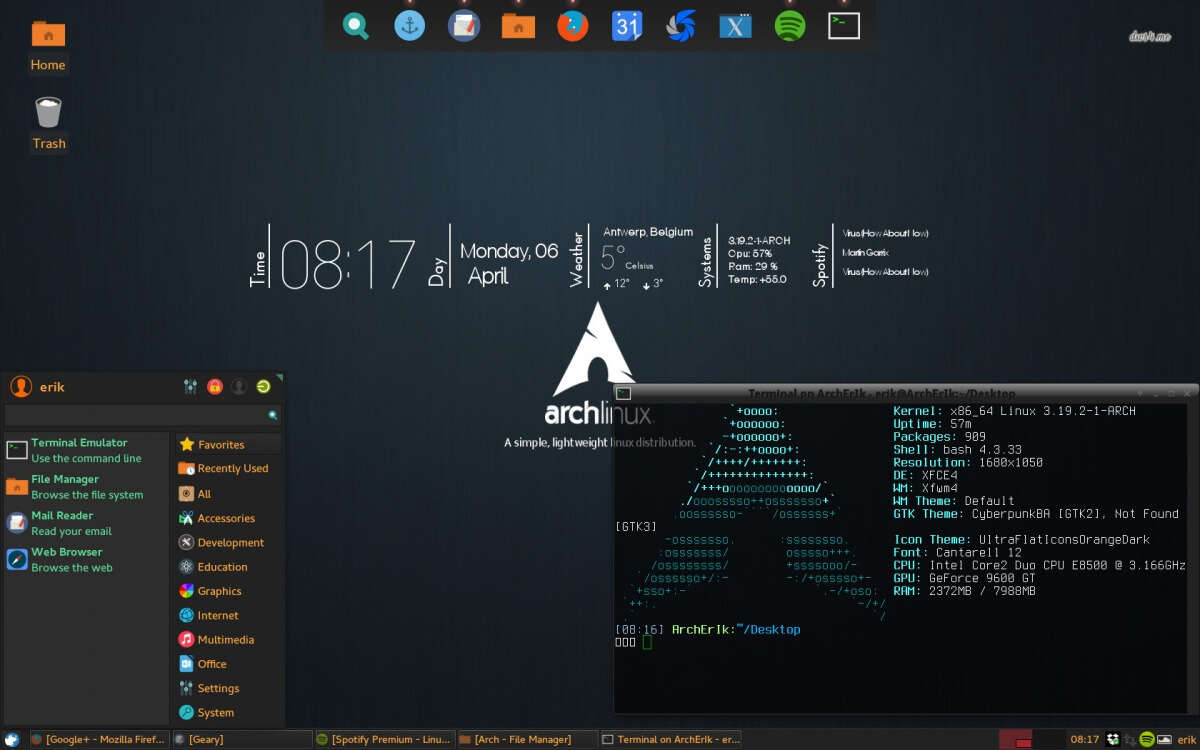
Taming the Linux Jungle: Your Guide to Effortless File Management
Managing files in Linux doesn't have to be a daunting task; with the right approach to organizing your files and folders efficiently, you can transform your digital workspace into a model of clarity and productivity. Let's dive in!
Step One: Creating an Engaging Title
Linux File Management: Master Your Files, Master Your System.
Step Two: Opening
Hey there, fellow Linux enthusiast! Let's be honest, wading through a disorganized file system can feel like searching for a matching sock in a black hole. We've all been there, right? You know, that moment when you desperately need thatonefile, the one you swore you saved somewhere logical, but it's vanished into the digital abyss. Maybe you've named a file "Document1," "Document2," and then, in a fit of sheer genius, "Document3" and now can't remember what any of them are! Don’t worry, it happens to the best of us.
The problem is, a chaotic file system doesn't just waste your time; it eats into your productivity and can even make you want to chuck your perfectly good Linux machine out the window. (Please don't! It's a fantastic OS, I promise!) Imagine spending precious minutes – or even hours – trying to locate that important presentation or that crucial configuration file. That's time you could be using to actuallydosomething productive, like, you know, finally figuring out how to write that Bash script you've been putting off.
But fear not! There’s a solution. This isn’t some mystical Linux secret, it's all about implementing simple, yet effective, file management strategies. Think of it as Marie Kondo for your file system. We're going to declutter, organize, and bring joy (or at least, less frustration) to your digital life.
This article will guide you through the ins and outs of effective Linux file management. We’ll cover everything from basic directory structures and naming conventions to advanced techniques for searching, archiving, and automating your file organization. We'll learn how to make thefindcommand your new best friend. We’ll even touch on some of the hidden gems Linux offers to help you stay organized.
Ever wondered how seasoned Linux users manage to keep their systems so tidy? Want to learn how to find any file in seconds, without breaking a sweat? Stick around, because we're about to unlock the secrets of Linux file management and transform you from a digital hoarder into a file organization ninja! Are you ready to take control of your Linux file system? Let’s get started!
Step Three: Article Content
Linux File Management: Organizing Your Files and Folders Efficiently
Okay, friends, let's dive into the nitty-gritty of how to keep your Linux system organized. A well-organized file system is more than just aesthetics; it's about efficiency, productivity, and, let's be honest, preventing you from pulling your hair out in frustration.
Here's the issue: Without a proper system in place, your files become scattered, duplicated, and generally unmanageable. This leads to wasted time, increased stress, and a lower quality of life (okay, maybe that's a bit dramatic, but itisannoying!).
Here’s what we’re going to cover to prevent that chaos: Understanding the Basic Linux File System Hierarchy
The Linux file system is structured like an inverted tree, with the root directory `/` at the top. Everything else branches off from there. Familiarizing yourself with the common directories is key:`/`: The root directory, containing everything. Think of it as the trunk of the tree.
`/home`: This is where your personal files reside. Each user gets their own directory within `/home` (e.g., `/home/yourusername`).
`/etc`: Configuration files for system-wide applications. This is where you'll tweak settings for things like networking and services.
`/var`: Variable data, such as logs, databases, and temporary files. This directory often grows over time.
`/usr`: User programs and data. Contains most of the user-executable files and libraries.
`/boot`: Files needed to boot the system. Important stuff!
`/tmp`: Temporary files. Contents are typically deleted upon reboot.
Understanding this structure helps you know where to look for things and where to save your own files. For example, you wouldn't want to save your personal documents directly in the root directory! Save those documents in `/home/yourusername/Documents`! Knowing where thingsshouldbe located greatly simplifiesorganizing your files and folders efficiently.This is a core concept when discussinglinux file management. Creating a Personal Directory Structure
This is where you get to be creative and design a system that works foryou. The key is to be consistent. Here’s a suggestion: Project-Based Folders:Create a directory for each major project you're working on. This keeps all related files in one place. For instance, if you're writing a book, create a directory named `My Book Project`.
Subject-Based Folders: If you have a lot of files related to specific subjects (e.g., "Finance," "Photography," "Recipes"), create folders for each.
Year-Based Folders: For documents that are time-sensitive, consider organizing them by year. For example, `Documents/2023`, `Documents/2024`.
Subfolders for Specific Types of Files: Within each of these folders, you can create subfolders for different types of files. For example, in your "Photography" folder, you might have subfolders for "Raw Images," "Edited Photos," and Final Projects.The goal is to create a logical hierarchy that makes sense toyou. If you can easily navigate your file system, you're on the right track! Think of it like setting up a library, you wouldn't throw books in haphazardly. Your Linuxfile system hierarchyis your digital library. Adopting Consistent Naming Conventions
This iscrucial. A well-named file is a file that can be easily found and understood.
Be Descriptive: Don't use generic names like Document1.Instead, use descriptive names that clearly indicate the file's contents, such as `Project Proposal_Client Name_Date.docx`.
Use a Consistent Date Format: Employ a consistent date format (e.g., YYYY-MM-DD) to easily sort files by date. `2024-05-03_Project Report.pdf` is much better than `Project Report_May3.pdf`.
Avoid Spaces and Special Characters: Use underscores (`_`) or hyphens (`-`) instead of spaces in file names. This is especially important for scripting and command-line usage.
Be Concise: While being descriptive is important, keep your file names relatively short and to the point.
Consistent naming conventions make it easier to search for files and understand their purpose at a glance.Naming conventionsare a lifesaver when you need to find a file quickly! Leveraging Symbolic Links (Symlinks)
Symbolic links are essentially shortcuts to files or directories. They allow you to access a file from multiple locations without duplicating the data.
Creating Symlinks:Use the `ln -s` command to create a symlink. For example: `ln -s /home/yourusername/Documents/My Project /home/yourusername/Desktop/Project Shortcut`. This creates a shortcut on your Desktop that points to the `My Project` directory.
Use Cases: Symlinks are useful for making frequently accessed files or directories easily accessible, or for organizing files that logically belong in multiple locations.
Symlinks are a powerful tool for streamlining your workflow andorganizing your files and folders efficiently. Mastering the Command Line for File Management
The command line is your friend! It might seem intimidating at first, but it offers powerful tools for managing files.
`ls`:Lists files and directories in the current directory. Use options like `-l` for a detailed listing, `-a` to show hidden files, and `-t` to sort by modification time.
`cd`: Changes the current directory. `cd ..` goes up one level.
`mkdir`: Creates a new directory. `mkdir My New Directory`.
`rm`: Deletes files.Use with caution!`rm My File.txt`.
`cp`: Copies files. `cp My File.txt My File Copy.txt`.
`mv`: Moves or renames files. `mv My File.txt New Location/My File.txt` moves the file. `mv My File.txt New File Name.txt` renames the file.
`find`: Searches for files. This is apowerhouse. `find . -name "My File.txt"` searches for files named "My File.txt" in the current directory and its subdirectories.
Learning these basic commands can significantly speed up your file management tasks. Thefindcommand is especially useful for locating misplaced files.
Archiving and Compression Techniques
Archiving and compression are essential for backing up files, sharing them, and saving disk space.
`tar`: Creates archives (tarballs). `tar -cvf My Archive.tar /home/yourusername/My Directory` creates an archive of the `My Directory` directory.
`gzip`: Compresses files. `gzip My File.txt` creates a compressed file named `My File.txt.gz`.
`zip`: Another popular compression format. `zip My Archive.zip My File.txt My Other File.txt` creates a zip archive.
`unzip`: Extracts files from a zip archive. `unzip My Archive.zip`.
These tools allow you to bundle multiple files into a single archive, making them easier to manage and share. They also reduce the size of files, saving disk space.
Using File Managers (GUI)
While the command line is powerful, sometimes a graphical file manager is more convenient. Most Linux distributions come with a default file manager (e.g., Nautilus in GNOME, Dolphin in KDE).
Features: File managers provide a visual interface for browsing, creating, deleting, renaming, and moving files. They also typically offer features like drag-and-drop, thumbnail previews, and integrated search.
Customization: You can often customize file managers to suit your preferences, such as changing the view mode, sorting options, and toolbar icons.
File managers are a great way toorganize your files and folders efficiently, especially for visual tasks like browsing images or videos. Backing Up Your Files Regularly
This isnon-negotiable. Data loss can happen to anyone, whether it's due to hardware failure, accidental deletion, or a malicious attack.
Choose a Backup Solution:There are many backup solutions available for Linux, ranging from simple command-line tools like `rsync` to more sophisticated graphical programs like Back In Time.
Automate Your Backups: Set up a regular backup schedule to ensure that your files are automatically backed up at specific intervals.
Store Backups Offsite: Store your backups on a separate device or in the cloud to protect against physical damage or theft.
Regular backups are the best way to safeguard your data and ensure that you can recover from any unforeseen events. Think ofbacking up filesas an insurance policy for your digital life. Utilizing Cloud Storage Services
Cloud storage services like Dropbox, Google Drive, and Nextcloud offer a convenient way to store and synchronize your files across multiple devices.
Integration:Many cloud storage services offer Linux clients that seamlessly integrate with your file system.
Benefits: Cloud storage provides automatic backups, easy file sharing, and access to your files from anywhere with an internet connection.
Cloud storage is a great option for keeping your files safe and accessible, especially if you work on multiple devices. Automating File Organization with Scripts
For more advanced users, scripting can automate repetitive file management tasks.
Bash Scripting:Bash scripting is a powerful way to automate tasks like renaming files, moving them to specific directories, or creating archives.
Example: A simple Bash script could be used to automatically organize your downloaded files into different directories based on their file type.
Automating file organization with scripts can save you a significant amount of time and effort in the long run. For example, you could write abash scriptingthat automatically moves all files older than a year to an archive directory.
By following these tips, you can transform your Linux file system from a chaotic mess into an organized and efficient workspace. Remember, the key is to be consistent and to choose a system that works foryou. Organizing your files and folders efficientlyisn't a one-size-fits-all solution; it's a personal journey.
Step Four: Closing
So, there you have it, friends! We've journeyed through the wilds of Linux file management and emerged victorious. Remember, the key takeaways are to understand the basic file system hierarchy, create a personal directory structure that makes sense to you, adopt consistent naming conventions, and leverage tools like symbolic links and the command line to your advantage. Don’t forget the importance of regular backups to protect your precious data.
Effectivelymanaging files in Linuxinvolves a blend of understanding the system, creating a logical structure, and consistently applying organization principles. By implementing these strategies, you can significantly enhance your productivity, reduce stress, and maintain a clean and efficient digital workspace.
Now, it's your turn! Don't just read this article and forget about it. Take action! Choose one or two tips from this guide and implement them in your file system today. Start small, and gradually incorporate more advanced techniques as you become more comfortable. Try creating a new folder structure for your current projects or writing a simple Bash script to automate a repetitive task.
Think about how much time you currently spend searching for files. Imagine how much more you could accomplish if you could instantly find what you need.Efficient file managementisn't just about organization; it's about reclaiming your time and energy.
Don't let your file system become a digital jungle. Tame it, organize it, and make it work foryou. You've got the tools, you've got the knowledge, now go out there and conquer your files!
Ready to finally get your downloads folder under control? Are you excited to see how much time you can save with a well-organized file system? Let the file management games begin!

Post a Comment for "Linux File Management: Organizing Your Files and Folders Efficiently"
Post a Comment