Blogspot Blog Design: Creating a Mobile-Friendly Blog
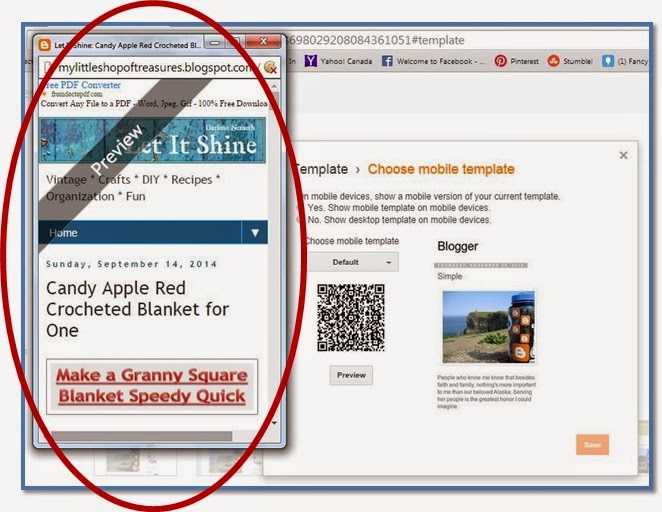
Blogspot Bliss: Crafting a Killer Mobile-Friendly Blog
Ready to make your Blogspot blog shine onanydevice? This guide dives into creating a mobile-friendly blog design, ensuring your content looks fantastic on phones and tablets.
Step One:
Blogspot Blog Design: Creating a Mobile-Friendly Blog – Your Guide to Stunning Mobile Views.
Step Two:
Hey there, blog buddies! Let's talk Blogspot. It's been around the block a few times, hasn't it? For many, it wasthestarting point for diving into the wild world of blogging. It’s simple, accessible, and free – a trifecta that’s hard to beat, especially when you’re just finding your blogging feet. But let's be honest, sometimes a Blogspot blog can look... well, a littledated. And in a world where most people are glued to their phones, having a blog that looks clunky and awkward on mobile is like showing up to a party in sweatpants – comfortable foryou, maybe, but not making the best impression.
Think about your own browsing habits. How many times have you clicked away from a website because it was a pain to navigate on your phone? Probably more than you’d like to admit. That’s because nobody has time for pinching and zooming and squinting at tiny text. People want informationnow, and they want it delivered in a way that's easy to consume on the go. A study showed that over 50% of all website traffic comes from mobile devices. Ignore that statistic, and you are effectively ignoring half of your potential audience. Ouch.
And it's not just about aesthetics. Googlelovesmobile-friendly websites. In fact, they prioritize them in search rankings. So, if your blog isn’t mobile-friendly, it’s going to be harder for people to find it in the first place. Think of it like this: Google is the cool kid in school, and you want them to notice you. Having a mobile-friendly blog is like showing up in a stylish outfit – it catches their eye and makes them want to know more.
The good news is, you don’t need to be a coding wizard to transform your Blogspot blog into a mobile masterpiece. There are tons of simple tweaks and tricks you can use to make your blog look fantastic on any device. We’re talking about responsive templates, optimized images, easy-to-read fonts, and navigation that even your grandma could figure out (no offense, grandmas!).
So, are you ready to ditch the desktop-centric design and embrace the mobile revolution? Are you ready to give your Blogspot blog a makeover that will impress your readers and make Google happy? Stick around, because we're about to dive into the nitty-gritty of creating a killer mobile-friendly blog, step-by-step. Get ready to unlock your blog's full potential! Want to see your Blogspot blog looking slick and professional onanysmartphone? Keep reading to find out how!
Step Three:
Blogspot Blog Design: Choosing a Responsive Template

Choosing a responsive template is the foundation of creating a mobile-friendly Blogspot blog.Responsivemeans the template automatically adjusts to fit the screen size of the device it's being viewed on. No more pinching and zooming!
Why it's crucial: A non-responsive template will render awkwardly on phones and tablets, making your blog difficult to read and navigate. This leads to apoor user experienceand high bounce rates (people leaving your blog quickly). How to find one: Blogspot offers a variety of built-in templates, and many of them are responsive. When selecting a template, look for the "Mobile-friendly" badge or description. You can also search online for third-party Blogspot templates specifically designed for mobile responsiveness. Example:Imagine you’re using a fixed-width template. On a desktop, it looks great. But on a smartphone, the content is squished, the images are too large, and the navigation is a nightmare. A responsive template, on the other hand, will resize everything automatically, providing a seamless experience for the mobile user.
Creating a Mobile-Friendly Blog: Optimizing Images
Images are a visual feast, but large, unoptimized images cankillyour blog's loading speed, especially on mobile devices with slower internet connections.
Why it's crucial: Slow loading times are amajorturn-off for mobile users. Studies have shown that people are much more likely to abandon a website if it takes more than a few seconds to load. How to optimize:
Resize images: Don't upload huge, high-resolution images if they're only going to be displayed at a smaller size. Resize thembeforeuploading to Blogspot. Tools like Tiny PNG, Image Optim (for Mac), and RIOT (for Windows) are great for compressing images without sacrificing too much quality.
Choose the right format: JPEG is generally good for photographs, while PNG is better for graphics with sharp lines and text.
Use lazy loading: Lazy loading means that images only load when they're about to come into view. This can significantly improve your blog's initial loading speed. Blogspot doesn't natively support lazy loading, but you can add it using Java Script. There are plenty of tutorials available online to guide you through the process. Example: Suppose you have a photo that's 3000 pixels wide. If you're only displaying it at 600 pixels wide on your blog, you're wasting bandwidth and slowing down your site for no reason. Resize it to 600 pixels before uploading.
Mobile-Friendly Blog Design: Simplifying Navigation
Intuitive navigation isessentialfor a good user experience, especially on mobile.
Why it's crucial: Mobile users are often browsing on the go, with limited time and attention. They need to be able to find what they're looking forquickly and easily. How to simplify:
Use a clear and concise menu: Your menu should be easy to access and understand. Limit the number of menu items to the most important categories or pages. A hamburger menu (the three horizontal lines icon) is a common and effective way to display a mobile menu.
Implement a search bar: Make it easy for users to search for specific content on your blog.
Use breadcrumbs: Breadcrumbs are a navigation trail that shows users where they are on your blog and how they got there.
Make buttons and links easy to tap: Ensure that buttons and links are large enough and spaced far enough apart to be easily tapped on a touchscreen. Example: Instead of having a cluttered menu with 10 different categories, focus on the 3-4 most important ones. Use clear and descriptive labels like "Recipes," "Travel," and "DIY Projects."
Blogspot Blog Design: Optimizing Readability

Making your content easy to read is crucial forkeepingreaders engaged on mobile devices.
Why it's crucial: Small screens require careful attention to typography and layout to ensure a comfortable reading experience. How to optimize:
Choose a readable font: Select a font that's easy to read on small screens. Sans-serif fonts like Arial, Helvetica, and Open Sans are generally good choices.
Increase font size: Don't make your font too small! Aim for a minimum font size of 16 pixels for body text.
Use sufficient line height: Line height (the spacing between lines of text) can significantly impact readability. A line height of 1.5 to 2 is generally recommended.
Use adequate padding and margins: Give your text and images some breathing room by using padding and margins to create whitespace around them.
Break up long paragraphs: Long blocks of text can be overwhelming on a small screen. Break them up into shorter, more digestible paragraphs. Example: Imagine reading a blog post with tiny, cramped text on your phone. It would be tiring and frustrating, right? By increasing the font size and line height, and breaking up the text into shorter paragraphs, you can make the same content much more enjoyable to read.
Creating a Mobile-Friendly Blog: Testing Your Blog on Different Devices
Testing is crucial to ensure your Blogspot blog looks and functions properly onalldevices.
Why it's crucial: Different devices have different screen sizes and resolutions, so it's important to test your blog on a variety of devices to ensure a consistent experience. How to test:
Use a mobile emulator: A mobile emulator allows you to simulate different mobile devices on your computer. Google Chrome's Developer Tools includes a built-in device emulator.
Test on real devices: The best way to test your blog is on real mobile devices. Ask friends or family members to test your blog on their phones and tablets.
Use Google's Mobile-Friendly Test: Google offers a free Mobile-Friendly Test tool that analyzes your blog and tells you if it's mobile-friendly. Example: You might think your blog looks great on your i Phone, but it could look completely different on an Android phone with a different screen size and resolution. Testing on different devices will help you identify and fix any issues.
Blogspot Blog Design: Utilizing Mobile-Specific Widgets

Blogspot offers a range of widgets that can enhance the mobile user experience.
Why it's crucial: Widgets can provide quick access to important information and functionality, making your blog more user-friendly. How to utilize:
Mobile Ad Sense: Display ads optimized for mobile devices.
Mobile Subscribe: Make it easy for users to subscribe to your blog via email.
Mobile Share: Allow users to easily share your blog posts on social media.
Consider a dedicated mobile sidebar: You can create a separate sidebar specifically for mobile devices, containing only the most important widgets. Example: Adding a "Share" button to the bottom of each blog post makes it easy for mobile users to share your content on social media, which can help to increase your blog's visibility and reach.
Creating a Mobile-Friendly Blog: Analyzing Mobile Traffic
Tracking your mobile traffic can provide valuable insights into how users are interacting with your blog on mobile devices.
Why it's crucial: Analyzing your mobile traffic can help you identify areas where you can improve your blog's mobile user experience. How to analyze:
Use Google Analytics: Google Analytics is a free web analytics tool that provides detailed information about your blog's traffic, including mobile traffic.
Track key metrics: Pay attention to metrics like bounce rate, time on page, and conversion rate for mobile users.
Identify problem areas: Look for pages with high bounce rates or low time on page for mobile users. These pages may need to be optimized for mobile devices. Example: If you notice that your bounce rate for mobile users is significantly higher than your bounce rate for desktop users, it could indicate that your blog is not providing a good mobile experience.
Blogspot Blog Design: Ensuring Fast Loading Times

Loading speed is paramount for mobile users. A slow blog will lose readers faster than you can say buffering.Why it's crucial: Mobile users often have slower internet connections than desktop users, so it's even more important to optimize your blog for speed. How to improve loading times:
Optimize images: As mentioned earlier, optimize your images to reduce their file size.
Minify CSS and Java Script: Minifying your CSS and Java Script files removes unnecessary characters and whitespace, reducing their file size and improving loading times.
Enable browser caching: Browser caching allows users' browsers to store static files (like images and CSS) on their computers, so they don't have to download them every time they visit your blog.
Use a Content Delivery Network (CDN): A CDN distributes your blog's files across multiple servers around the world, allowing users to download files from the server that's closest to them, which can significantly improve loading times. Example: A CDN, like Cloudflare, can dramatically speed up your Blogspot blog by serving your content from servers located closer to your visitors.
Creating a Mobile-Friendly Blog: Avoiding Flash Content
Flash content is abig no-nofor mobile devices, especially i Phones and i Pads.
Why it's crucial: Flash is not supported on many mobile devices, so any Flash content on your blog will simply not display. How to avoid:
Replace Flash content with HTML5 or Java Script: HTML5 and Java Script are modern web technologies that are supported on all mobile devices.
Remove Flash content altogether: If you don't need the Flash content, simply remove it from your blog. Example: Instead of using a Flash-based video player, use an HTML5 video player that will work on all devices.
By implementing these strategies, you can create a Blogspot blog that provides a fantastic mobile experience for your readers, increasing engagement and boosting your blog's success! Remember, a mobile-friendly blog isn't just a nice-to-have, it's amust-havein today's mobile-first world.
Step Four:
Alright, friends, we've covered alotof ground. From picking the right responsive template to optimizing images and simplifying navigation, creating a mobile-friendly Blogspot blog might seem daunting, but it’s absolutely achievable. The core takeaway is this: prioritize the mobile user. Think about how people are accessing your blog and make it as easy and enjoyable as possible for them to browse and engage with your content on their phones and tablets. Remember, a happy mobile user is a returning user!
Now, it's your turn to put these tips into action! Take some time to audit your Blogspot blog and identify areas where you can improve the mobile experience. Start with the basics: choose a responsive template, optimize your images, and simplify your navigation. Then, gradually work your way through the other tips, testing your blog on different devices along the way.
Ready to transform your Blogspot blog into a mobile-friendly masterpiece?Go implement at least three of the tips we discussed today! See the difference it makes – you'll be amazed!
Don't be afraid to experiment and try new things. The world of web design is constantly evolving, so it's important to stay up-to-date with the latest trends and best practices. And most importantly, have fun! Blogging should be an enjoyable experience, so embrace the challenge of creating a mobile-friendly blog and let your creativity shine.
Believe in yourself, and your blog – the mobile world is waiting to discover it! Whatonething are you most excited to implement on your Blogspot blog to make it more mobile-friendly?

Post a Comment for "Blogspot Blog Design: Creating a Mobile-Friendly Blog"
Post a Comment